
From Renaissance Courts to Industrial Factories
Lace is a fascinating contradiction: it looks light and insubstantial, but it also carries enormous cultural weight. For centuries, lace has been associated with elegance and refinement. Its intricate patterns seem almost suspended between fabric and air. Behind its fragile surfaces lies a history shaped by royal courts, global trade, religious conflict, industrial technology, and the labor of countless women whose names rarely entered the historical record. Few textiles have moved so fluidly between luxury and exploitation, artistry and industry, intimacy and power. To follow the history of lace is to trace the changing social fabric of the modern world itself.
Prehistoric & Pre-Lace Influences
Ancient Mediterranean & Islamic Influences: 3000 – 500 BCE
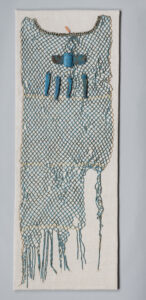
Long before lace formally emerged in Europe, cultures across the Mediterranean and Near East had already developed sophisticated traditions of openwork textiles, netting, and geometric ornament. Ancient Egyptian textiles incorporated decorative mesh structures and funerary nets composed of beads and interlaced thread systems. Byzantine and Islamic artisans later produced increasingly complex surface designs built upon symmetry, repetition, and mathematical precision.
Over centuries of trade between Europe and the Islamic world (700 – 1600 CE), merchants, diplomats, and craftsmen encountered architectural screens, woven silks, ceramics, and manuscripts featuring intricate geometric systems that profoundly shaped Mediterranean visual culture. Although lace itself was a European invention, many historians view these exchanges as an important influence on the ornamental logic later found in Venetian and Flemish lace. Islamic design traditions often emphasized the relationship between pattern and empty space, creating surfaces that appeared both structured and weightless. That same visual rhythm would later become one of lace’s defining characteristics.

Birth of Lace in Renaissance Europe: 15th-16th centuries
Emergence of Lace in Italy & Flanders
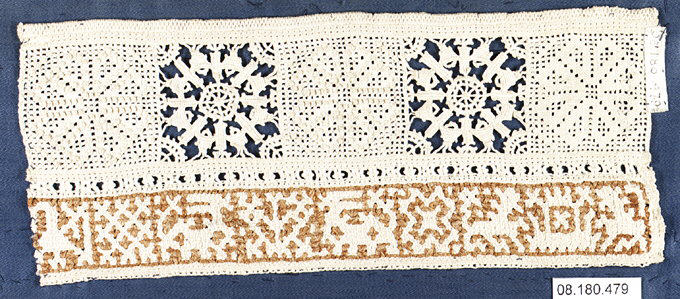
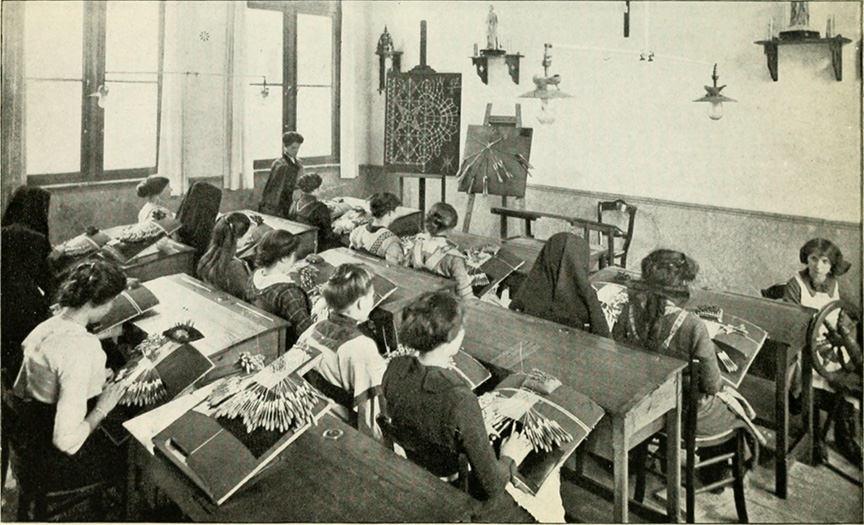
True lace emerged in Europe during the late fifteenth and early sixteenth centuries, particularly in Italy and Flanders. Unlike embroidery, which decorates an existing fabric, lace is constructed entirely from thread. Two major forms developed. Needle lace was created with a single needle and thread, while bobbin lace was made by twisting multiple threads around pins fixed to a pattern.
Economic Expansion & Luxury Culture
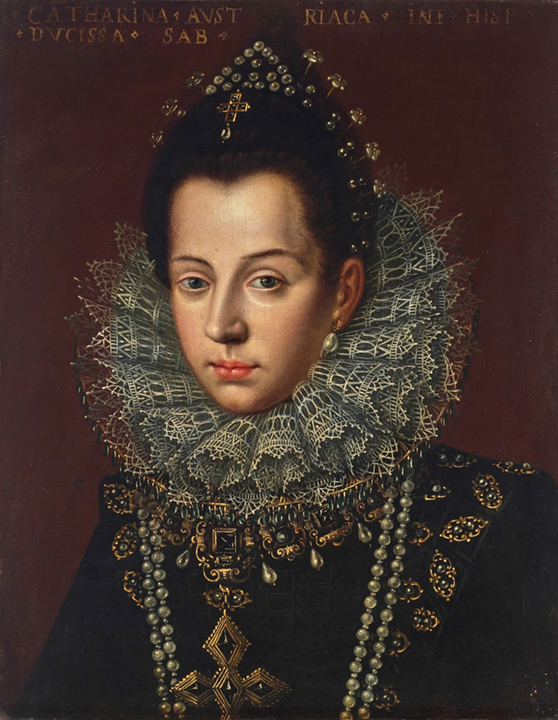
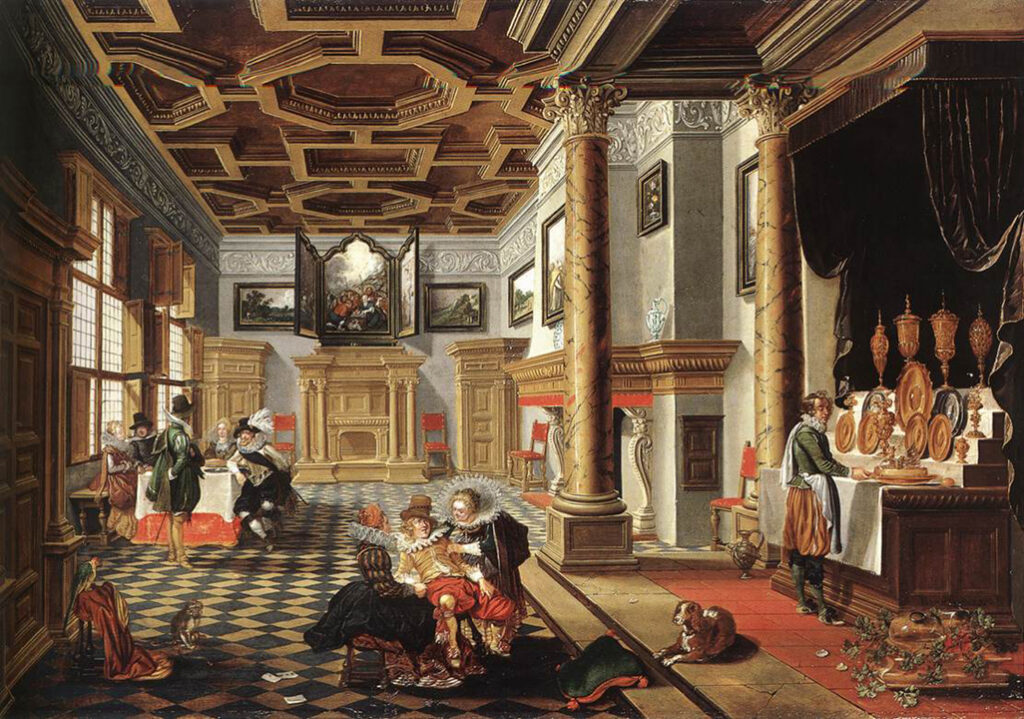
Its rise coincided with the economic and cultural transformations of the Renaissance (c. 1400 – 1600 CE). Expanding trade networks generated enormous wealth for merchant families and court societies eager to display refinement through clothing and material possessions. Lace quickly became one of the clearest visual expressions of status because it represented something more valuable than fabric alone: time. A finely worked lace collar or cuff announced access to skilled labor, expensive materials, and leisure itself. Some pieces required months or even years to complete.
Venice and Flanders as Production Centers
The regions that dominated early lace production did so for practical and economic reasons. Venice already stood at the center of luxury textile commerce, importing silks, dyes, and decorative goods from across the Mediterranean. Lace developed naturally within this environment of artistic experimentation and the display of wealth and status. In Flanders, generations of linen production had produced exceptionally fine threads ideal for delicate lace-making. Urban guild systems, commercial workshops, and highly specialized textile trades allowed lace production to flourish on a remarkable scale.
Woven, Convents, and Labor
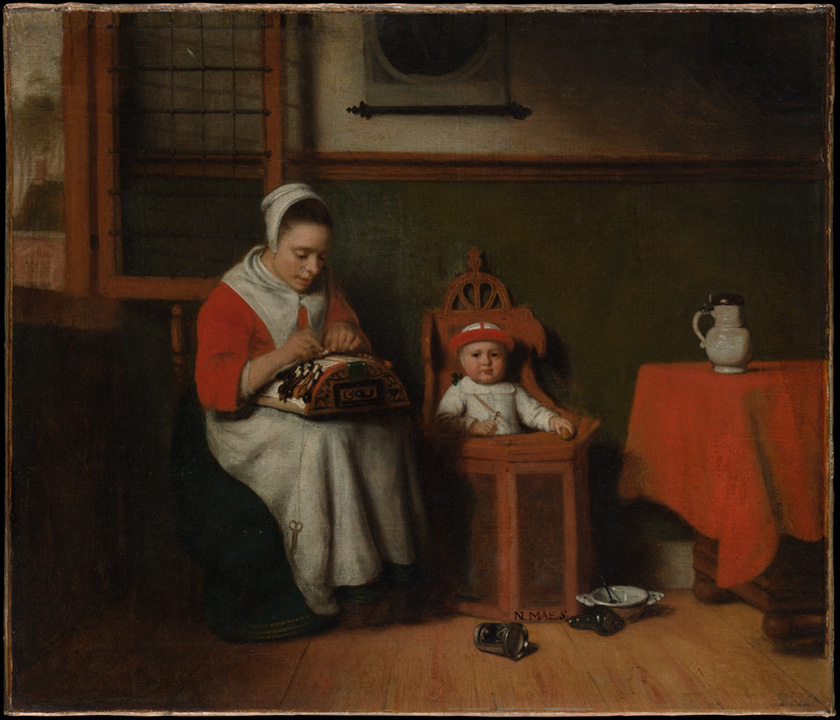
Women played a central role in the industry from the beginning. Convents often served as important centers of lace education, where girls learned needlework both as practical training and moral discipline. In domestic workshops across Italy and northern Europe, lace-making became one of the few socially acceptable forms of paid labor available to women. Yet the labor behind lace frequently remained invisible. Finished pieces circulated through courts and aristocratic portraits, while the women who produced them rarely appeared in written histories.
Pattern Books & Print Technology
One of the most significant developments in early lace history came not from thread itself, but from print technology. During the sixteenth and seventeenth centuries, printed pattern books transformed ornamental design into a reproducible commodity. Publishers and designers such as Federico Vinciolo and Isabella Parasole circulated intricate lace and embroidery patterns across Europe through engraved illustrations that could be copied, adapted, and shared.
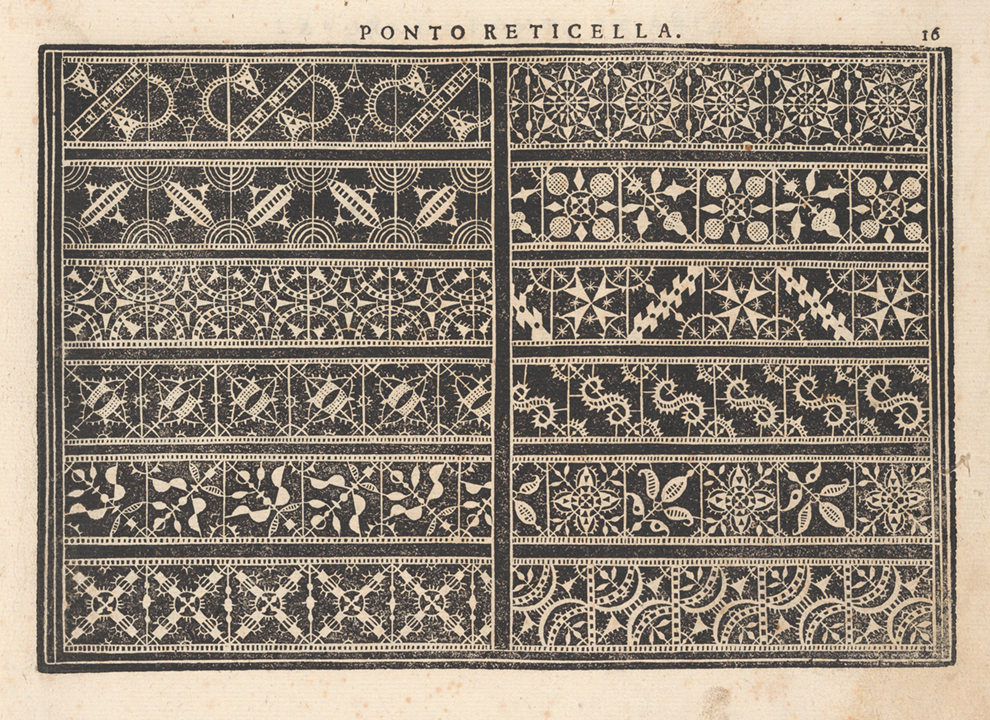
These books changed decorative culture in profound ways. Designs that once belonged to individual workshops or court artisans could now travel internationally through inexpensive printed pages. Women who could never afford costly Venetian lace could still reproduce fashionable motifs in domestic textiles and clothing. Pattern books blurred distinctions between craft, education, and intellectual design, turning lace into part of an emerging visual culture shaped by literacy and print circulation. In many ways, they functioned as an early form of fashion publishing.
Lace and Political Power: 16th – 17th centuries
Elizabethan Ruff Collars
As lace spread through European courts, it became increasingly tied to political image-making and elite identity. Among the most iconic examples were the immense ruff collars associated with Queen Elizabeth I (1533 – 1603; Queen of England and Ireland 1558 – 1603). In portraits such as the Armada Portrait and the Rainbow Portrait, Elizabeth appears framed by lace collars so large and structured that they resemble architecture more than clothing. These collars functioned as carefully staged political symbols. Their radiating forms created an almost halo-like effect around the queen’s face, reinforcing her cultivated identity as the “Virgin Queen” while emphasizing royal authority and separation from ordinary life.
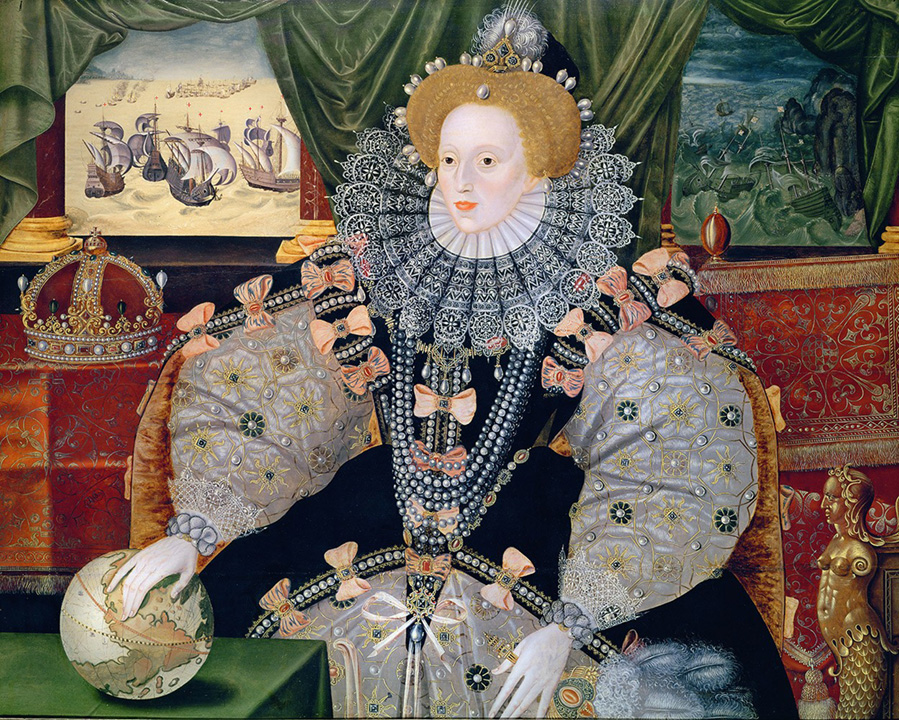
Originally a modest gathered neckline in the sixteenth century, the ruff evolved into an increasingly elaborate construction requiring imported lace, expensive starch, and constant maintenance by specialized servants and artisans. Its scale and impracticality communicated privilege precisely because it prevented physical labor. In Tudor England, clothing laws reinforced the belief that luxury dress reflected social hierarchy and political order. Elizabeth’s lace collars projected far more than refinement alone. They transformed ornament into a visual language of discipline, monarchy, and control.
Baroque & Absolutist Europe: 17th century
Lace as a Luxury Industry
By the seventeenth century, lace had become one of Europe’s most powerful luxury industries. Although modern audiences often associate lace primarily with women’s fashion, aristocratic men wore enormous quantities of it during the Baroque period. Kings, military officers, judges, and courtiers appeared in portraits framed by lavish collars, cuffs, gloves, and cravats edged in costly lace. Ornament communicated authority as effectively as military regalia or jewels.
Louis XIV and French State Production
No court understood this political language better than that of Louis XIV (1638 – 1715; King of France 1643 – 1715). Under the direction of Finance Minister Jean-Baptiste Colbert, France aggressively expanded domestic lace production to reduce dependence on expensive Venetian imports. Lace became an instrument of economic policy and royal prestige. Workshops were established under state supervision, foreign artisans were recruited to France, and the industry was carefully regulated to compete with Italian production. French lace centers such as Alençon flourished under royal patronage and became internationally celebrated for their technical refinement. Alençon needle lace would later become known as the “Queen of Lace.”
Venice & Economic Protectionism
Venice protected its own lace industry with similar intensity. Skilled lace-makers were considered economically valuable enough that authorities reportedly restricted their movement outside the republic. Lace production had become deeply intertwined with national wealth, trade competition, and state power.
Religious Conflict and the Counter-Reformation
At the same time, lace occupied an uneasy position within religious culture. Protestant reformers frequently criticized excessive ornament as evidence of vanity and moral corruption, particularly during the Reformation (c. 1517 – 1648) and the rise of Calvinist austerity. Catholic institutions, however, embraced elaborate textiles as part of the visual splendor of the Counter-Reformation (c. 1545 – 1648). Lace-adorned altar cloths, bishops’ sleeves, reliquaries, and ceremonial vestments, transforming thread into an instrument of sacred spectacle.
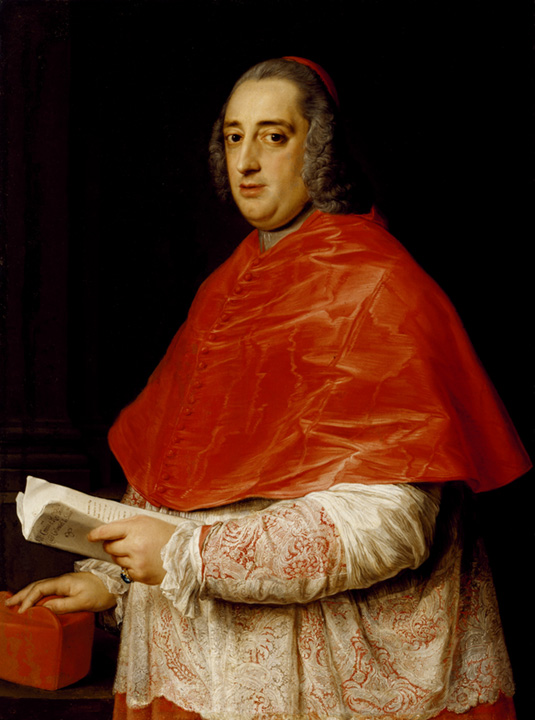
Contradictions Between Piety and Display
This contradiction defined lace throughout much of early modern Europe. The same material condemned as frivolous excess could also serve as an expression of spiritual devotion and institutional authority. Fine lace framed both royal courts and church altars, existing in constant tension between piety and display.
Lace, Fashion, and Colonial Identity: c. 1700–1775
As European fashions circulated across the Atlantic during the eighteenth century, particularly between approximately 1700 and the American Revolution in 1775, lace became an important marker of refinement within the American colonies. Wealthy colonial families looked especially to France, then regarded as the center of fashionable taste under the courts of Louis XIV and Louis XV, importing fine lace alongside silks, ribbons, and embroidered textiles that signaled social ambition and cultural sophistication. Portraits from the mid-eighteenth century reveal that elite men participated in this culture of ornament as fully as women. Aristocratic and upper-class men wore lace cuffs, cravats, ruffled shirts, and embroidered coats whose richness reflected status, education, and cosmopolitan identity. In both Europe and the colonies, lace functioned not merely as decoration but as a visible language of wealth, elegance, and participation in an international fashion world.
Rococo Fashion: c. 1720 – 1780
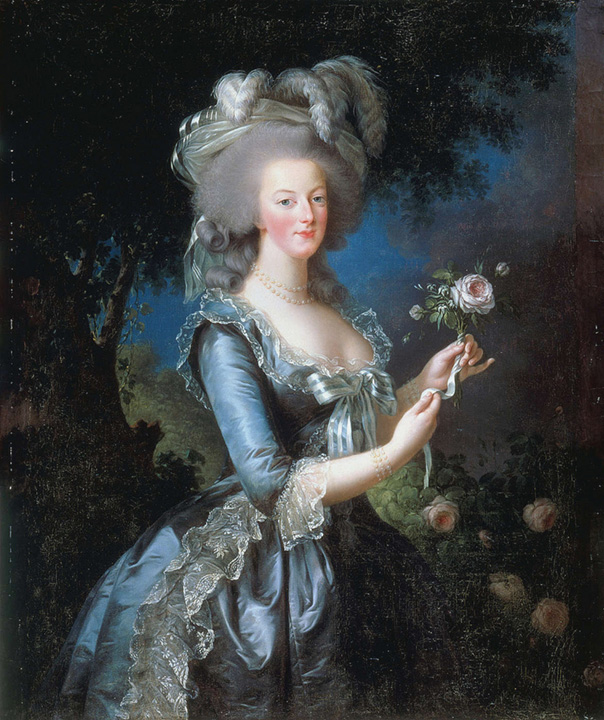
By the eighteenth century, lace entered the theatrical world of Rococo fashion. French aristocratic taste favored softness, movement, and illusion, qualities perfectly suited to lace’s airy surfaces and shifting textures. Sleeves overflowed with lace engageantes, delicate veils softened necklines, and entire garments appeared animated by layers of floating ornament.
Labor Exploitation and Women Workers
Yet beneath this elegance lay grueling labor conditions. Lace production depended heavily on poorly paid female workers laboring within homes, convents, and workshops across Europe. Children were frequently employed because their small fingers were believed to be especially suited to fine threadwork. Many lace-makers worked from dawn until night by candlelight, damaging their eyesight and posture through years of intense concentration.
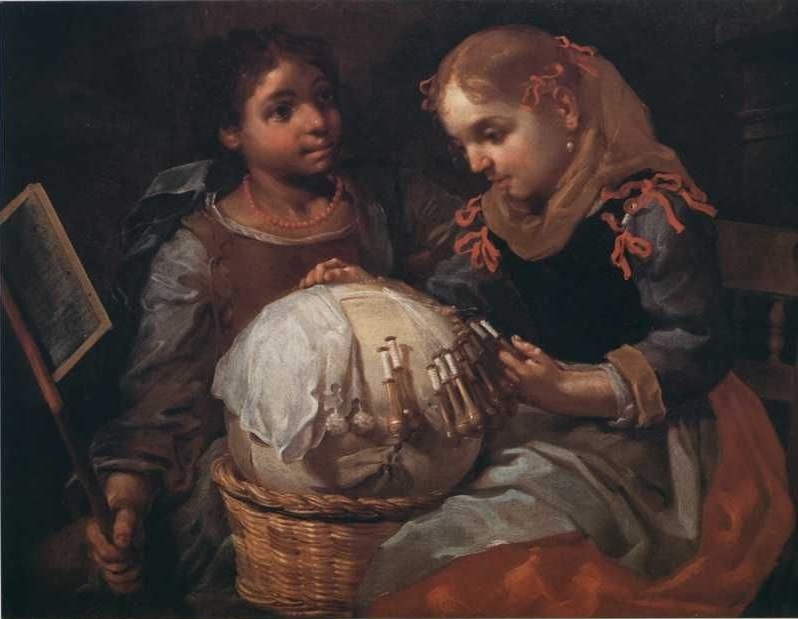
Social Contradictions of Luxury
Lace carried a profound social contradiction. The more ethereal and delicate it appeared, the harsher the labor often became. Aristocratic luxury rested upon networks of female piecework that remained largely anonymous. In many lace-making communities, entire local economies depended upon exhausting labor that produced wealth primarily for merchants and elite consumers elsewhere.
Revolution & Industrialization: Late 18th – 19th centuries
French Revolution: 1789 -1799
The French Revolution dramatically altered the cultural meaning of lace. Revolutionary politics rejected many visible symbols of aristocratic excess, and elaborate lace became closely associated with the corruption of the ancien régime. Fashion shifted toward simplified classical styles inspired by republican ideals, and the extravagant ornament of the previous century temporarily fell out of favor.
Mechanization, Industrialization, and the Democratization of Lace
At the same time that political revolutions reshaped aristocratic society, the Industrial Revolution transformed textile production. Mechanized labor, factory systems, and mass manufacturing altered the economic and social foundations that had long supported luxury crafts. In the textile industry, advances in spinning, weaving, and pattern-making increasingly enabled machines to replicate work that had once depended on highly skilled artisans. Lace production became one of the most striking examples of this shift. During the nineteenth century, English inventors developed machines capable of producing lace that closely resembled handmade examples. Innovations such as the Bobbinet machine and the later Leavers loom dramatically increased production, moving lace-making from a largely domestic craft to an industrial enterprise.
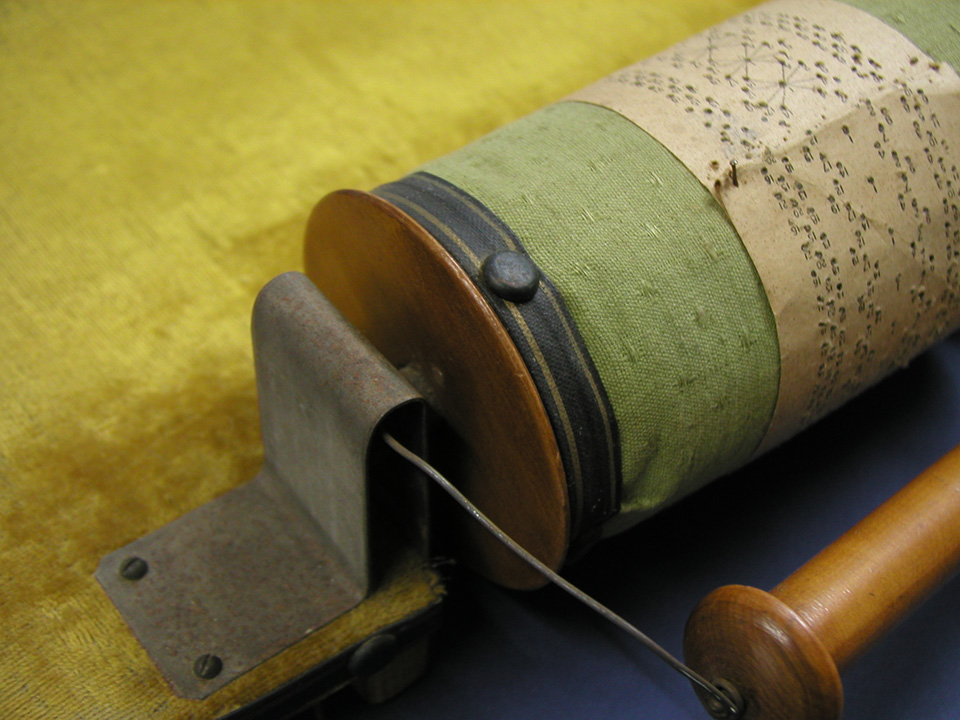
For centuries, the value of lace had been closely tied to the labor and skill visible in its creation. Mechanization transformed that relationship. Lace that once required months of painstaking work could now be produced quickly and sold at much lower prices, making fashionable ornament available to a growing middle-class market. Styles once reserved for courts and aristocratic elites became accessible to a broader public. At the same time, industrial production placed immense pressure on traditional lace-making communities across Europe, as artisans struggled to compete with factories capable of producing large quantities at unprecedented speed. These changes sparked debates about authenticity, imitation, and the cultural value of handmade craftsmanship. By the late nineteenth century, reform movements such as the Arts and Crafts movement responded by promoting traditional techniques and celebrating the artistic and moral significance of skilled hand labor.
The Victorian Era: 1837 -1901
Victorian society attached new meanings to lace as it became increasingly associated with femininity, domestic virtue, and sentimental refinement rather than aristocratic extravagance alone. Queen Victoria’s wedding to Prince Albert of Saxe-Coburg and Gotha on 10 February 1840 was the inspiration for fashion. Queen Victoria’s wedding gown, trimmed with Honiton lace, helped establish white lace bridal fashion as an enduring cultural ideal.
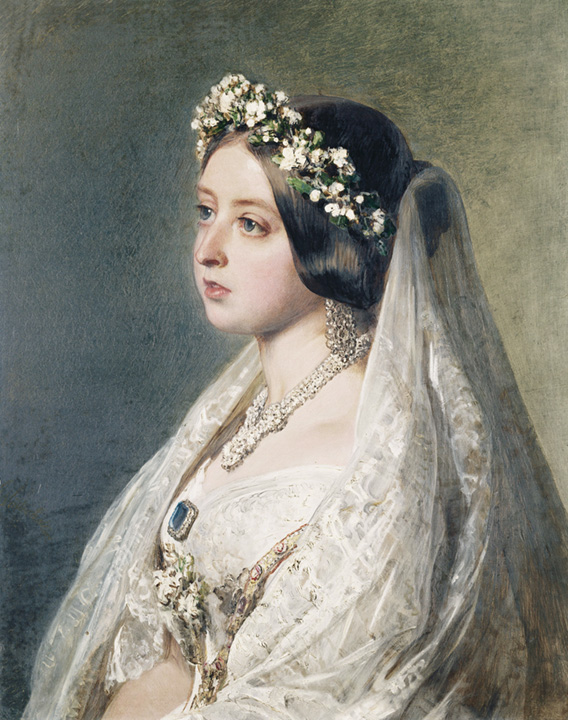
At the very moment industrial machinery made lace more accessible than ever before, handmade lace also became an object of nostalgia, valued precisely because it seemed to preserve human skill within an increasingly mechanized world.
National Identity and Regional Lace Traditions
During this same period, many nations began treating lace as an expression of cultural identity. Belgian lace, Venetian lace, and Irish crochet lace became symbols of regional heritage and artisanal tradition. In Ireland, lace-making took on particular importance during the Great Famine, when convents and relief organizations taught women to crochet lace as a means of economic survival. Lace became not merely decorative, but essential to sustaining families during catastrophe.
Maltese Lace
Maltese lace developed into another powerful expression of local identity during the nineteenth century. Inspired by older Italian and Genoese traditions, Maltese lace frequently incorporated the eight-pointed Maltese Cross associated with the Knights of St. John. Unlike the soft floral styles favored in France, Maltese lace often emphasized bold geometric forms and strong outlines reflecting the island’s Mediterranean artistic heritage.
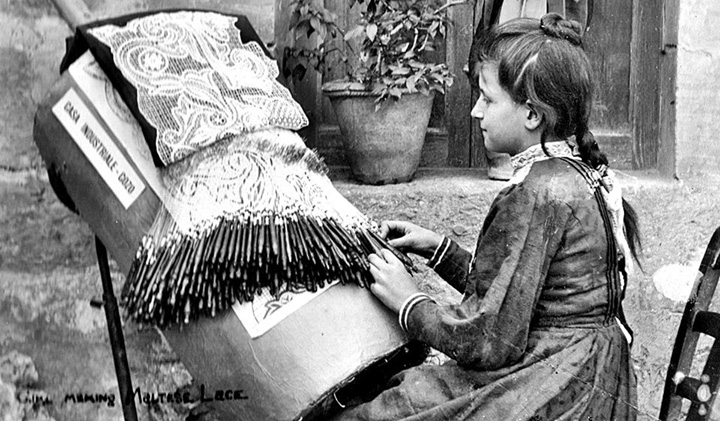
Handmade by carefully twisting threads around pinned patterns, Maltese lace demanded extraordinary precision and patience. As British colonial trade and tourism expanded during the nineteenth century, the lace gained international popularity. At a time when industrial manufacturing increasingly dominated textile production, handmade Maltese lace came to represent continuity, regional identity, and artisanal skill.
Modernism and Industrial America: 20th century
Modernism and Couture
The twentieth century introduced another cultural shift. Modernist designers often rejected lace as overly sentimental and tied to excessive ornamentation. Simplicity, geometry, and functional design became central to modern aesthetics. Yet lace never disappeared entirely. Couture houses such as Chanel, Dior, and Givenchy continued to value it precisely because it carried associations of technical mastery and historical refinement. Religious garments and ceremonial dress also preserved lace traditions long after everyday fashion became increasingly minimal.
Scranton Lace Company: 1890 – 2002
One of the most significant modern centers of lace production emerged not in Europe, but in industrial Pennsylvania. Founded in 1890, the Scranton Lace Company became one of the largest lace manufacturers in the world. Massive Leavers lace machines translated intricate European ornamental traditions into industrial American production on an enormous scale. The company employed thousands of workers, many of them immigrants who brought specialized textile knowledge from England and continental Europe.
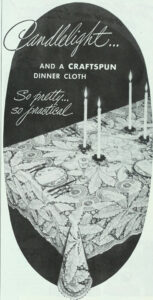
The rise of factories such as Scranton Lace reflected the broader transformation of decorative arts in the industrial age. Lace had once belonged primarily to courts, churches, and aristocratic wardrobes. By the twentieth century, it had entered middle-class domestic interiors through curtains, tablecloths, and household decoration associated with respectability and aspiration.
Contemporary Meaning of Lace
Today, lace continues to occupy a complicated cultural position. It remains associated with weddings, ceremony, femininity, and luxury, yet it also carries the memory of hidden labor, technological disruption, and centuries of global exchange. Its patterns preserve traces of Renaissance trade routes, religious conflict, industrial machinery, and domestic economies shaped largely by women’s work.
What appears fragile in lace has always depended upon powerful systems beneath it. Across centuries, lace has functioned not merely as decoration, but as a record of the societies that produced it.