
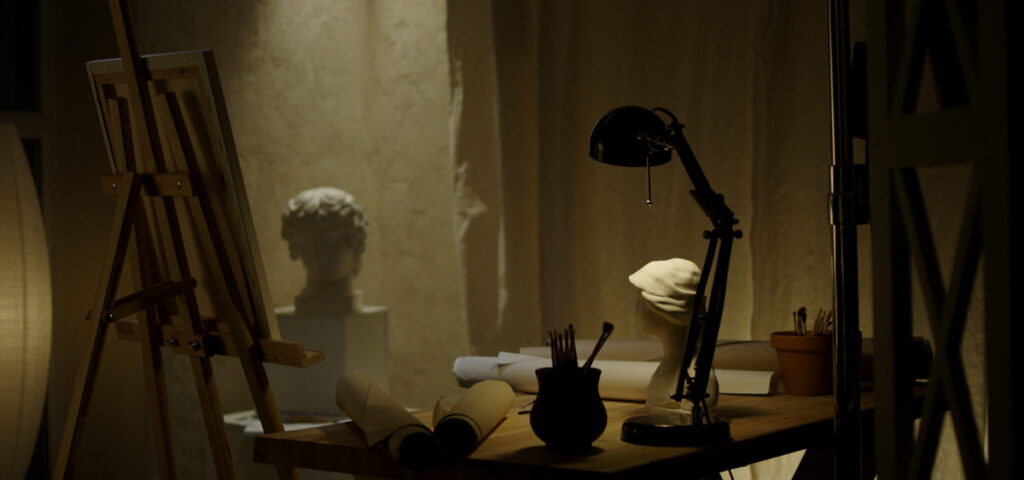

People often ask how long it takes to get good at drawing or painting, and honestly, I don’t think most people are prepared for the real answer. It takes years. Not weeks. Not months. Years of focused repetition, frustration, observation, failure, adjustment, and persistence. Competence in art doesn’t arrive suddenly after finishing a sketchbook or watching a few tutorials online. It’s a slow restructuring of how you perceive the world and how effectively you can respond to it with your hands.
When I first started taking art seriously, one of the biggest challenges wasn’t just learning how to draw or paint, but it was figuring out how to survive while doing it. For years, I balanced a regular job with my apprenticeship, working graveyard shifts because, practically speaking, it was one of the only jobs available that offered decent pay while still allowing me to spend my days training in the studio. The real sacrifice, though, became sleep. There were stretches where I’d get only four hours before heading into the studio for the day. Eventually, through trial and error, I built a routine that let me consistently get around six hours, but even that required constant adjustment and discipline.
Unfortunately, most of us don’t get to choose ideal circumstances while pursuing a creative career. I had to accept uncomfortable conditions and push through them to support myself while maintaining consistent practice. At the time, there wasn’t a glamorous version of the process. It was simply doing whatever was necessary to keep moving forward.
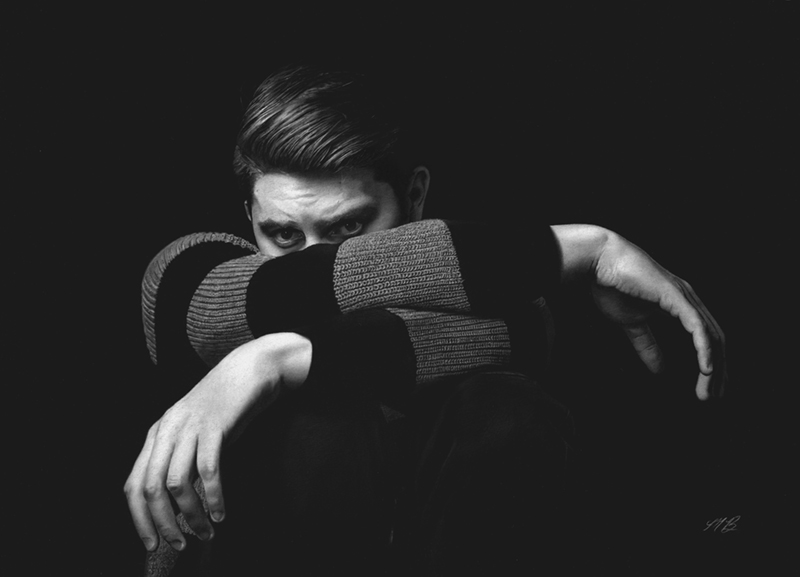
That tradeoff can be isolating. Art training, especially when approached seriously, often conflicts with the rhythms of normal social life. While others may spend years casually exploring hobbies, expert-level artistic development demands deliberate, consistent engagement. Improvement compounds through repetition and focused correction. Missing long stretches of practice can feel like losing traction on a steep climb.
At the same time, I learned the hard way that pushing endlessly without balance can become destructive. Burnout is one of the biggest threats to long-term skill acquisition. There were periods where I overloaded myself mentally and physically because I believed constant work was the only path forward. Eventually, the exhaustion caught up with me. Focus weakened, motivation collapsed, and even sitting down to draw started to feel emotionally heavy.
It took a long time to understand that sustainability matters just as much as discipline. There’s a balance between commitment and self-destruction, and finding that balance is deeply personal. I had to learn when to step away, when to rest, and when to let my brain recover. Burnout doesn’t just interrupt progress; it can make you question why you started in the first place. Learning to manage energy, expectations, and recovery became just as important as learning draftsmanship or painting techniques.
Despite all of that, I still believe the sacrifices were well worth it.

Years of effort eventually gave me something I deeply value: freedom. I now spend far more of my life working on things I genuinely care about. Teaching and painting are no longer distant aspirations; they are central parts of my daily life. The discipline, time, and sacrifices gradually laid a foundation that allowed me to shape my life around creative work rather than squeezing creativity into leftover hours.
That outcome didn’t happen quickly, and it definitely didn’t happen without cost. But skill acquisition in art changes more than technical ability. It changes your habits, priorities, perceptions, and, eventually, your opportunities. Looking back, I don’t think the goal was ever simply “getting good” at drawing or painting. The process reshaped the structure of my life itself.
And for me, that made the struggle very meaningful.
