


From Medal-Winning Masterpieces to Today’s Global Winter Stage
In this issue, my section takes a slightly different direction from the usual discussions of artistic innovations, materials, or new creative technologies. With the recent Olympic Games still fresh in many of our minds, it seemed fitting to explore a fascinating piece of Olympic history that many people are unaware of. While the Games are known worldwide as the pinnacle of athletic achievement, there was a time when artists also competed for Olympic medals. For several decades in the early twentieth century, painting, sculpture, architecture, literature, and music were official Olympic events. This lesser-known chapter of Olympic history reveals that the Games were once envisioned not only as a celebration of physical excellence, but also of human creativity.
The Olympic Games are widely recognized as the pinnacle of athletic achievement, yet from their modern inception, they were never intended to celebrate sport alone. For nearly four decades, art was an official part of the Olympic Games, with artists competing for medals alongside athletes. This history helps explain why today’s Winter Olympics—through ceremonies, design, and cultural programming—continue to function as a global artistic and cultural event, not just a sporting one.
A Foundational Vision: Body, Mind, and Spirit
The inclusion of art in the Olympics was the deliberate vision of Pierre de Coubertin, founder of the modern Olympic Games. Deeply inspired by ancient Greek traditions, Coubertin believed that athletic excellence could not be separated from intellectual and artistic expression. In ancient Olympia, athletic contests took place alongside poetry, sculpture, music, and philosophy. To Coubertin, reviving this balance was essential to restoring the true spirit of Olympism.
Art as an Olympic Medal Event (1912–1948)
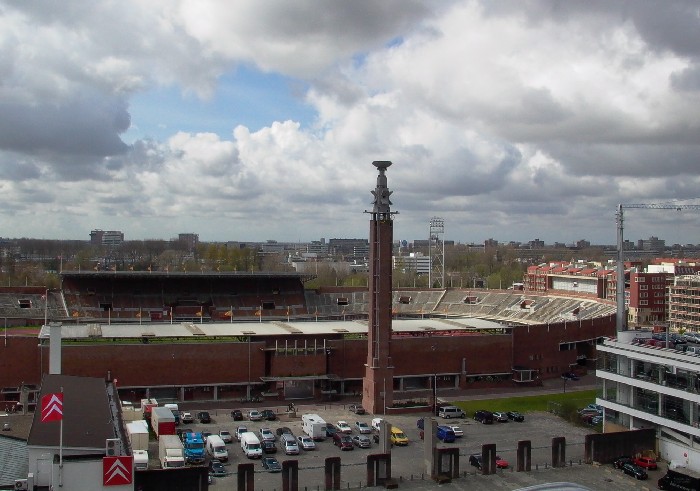
Art competitions officially debuted at the 1912 Summer Olympics, marking a groundbreaking moment in Olympic history. From that point forward, medals were awarded in five artistic categories:
- Architecture
- Sculpture
- Painting
- Literature
- Music
All works were required to be inspired by sport, ensuring a direct conceptual link between artistic creation and athletic performance. Stadium designs, athletic sculptures, poems celebrating competition, and musical compositions honoring physical achievement were all eligible.
In a striking example of his commitment to this ideal, Coubertin himself won a gold medal in literature, submitting an ode to sport under a pseudonym.
A Global Cultural Platform
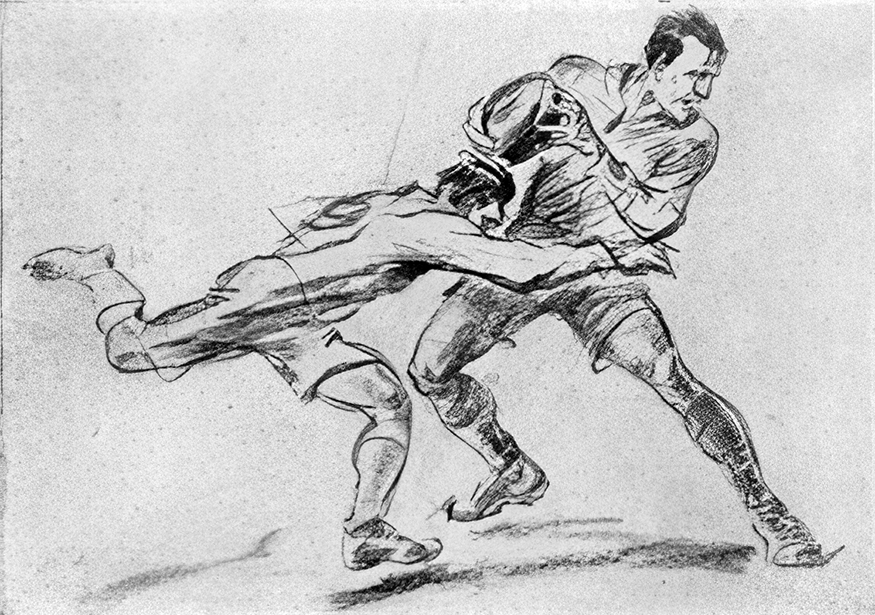
Over the following decades, Olympic art competitions became a recurring feature of the Games, including at the 1924 Summer Olympics and the 1932 Summer Olympics. Host cities mounted large-scale exhibitions that were open to the public, often attracting audiences beyond traditional sports fans.
These exhibitions transformed the Olympics into a global cultural exchange, where nations presented not only their athletes but also their artistic identities. In many ways, the Olympic art competitions were among the earliest large-scale international art showcases of the modern era.
Why Art Competitions Ended
Despite their ambition, Olympic art competitions faced growing challenges. The most significant issue was professionalism. While Olympic athletes were required to be amateurs at the time, most artists earned their living from their work. This contradiction led to increasing criticism and logistical difficulties.
Judging artistic work is also inherently subjective, unlike timing races or measuring distances. Following the 1948 Summer Olympics, the International Olympic Committee discontinued medal-based art competitions. However, art itself was never removed from the Olympics—only its competitive format changed.
Art’s Living Legacy in Today’s Winter Olympics
The absence of art medals does not mark the end of art in the Olympic Games. Instead, art has evolved into a broader, more immersive presence—especially visible in the modern Winter Olympics, where global audiences experience art on an unprecedented scale.
At the 2022 Winter Olympics, artistic expression was central to the Games’ identity. The opening and closing ceremonies fused traditional Chinese art forms, calligraphy, music, choreography, and advanced digital technology into a unified visual language broadcast worldwide. These ceremonies functioned as monumental, temporary works of art—experienced simultaneously by billions of viewers across cultures and continents.
Looking ahead, the 2026 Winter Olympics will continue this tradition. Organizers have emphasized Italian design, architecture, regional craftsmanship, and cultural storytelling, echoing the same principles that once guided Olympic art competitions: showcasing national identity within a shared global framework.
The Olympics as a Global Artistic Language
When viewed through this historical lens, today’s Winter Olympics are a direct continuation of the Games’ original philosophy. Art now appears not as judged entries, but as:
- Opening and closing ceremonies that act as large-scale performance art
- Venue architecture and urban design that reshape host cities
- Official posters, medals, torches, and visual identities
- Cultural festivals and exhibitions run parallel to athletic events
Just as sport transcends language, art provides a universal means of communication—making the Olympics a truly global event, accessible and meaningful across borders.
A Unified Global Tradition
Art was not a decorative afterthought in Olympic history; it was once a core element of competition. Understanding this past clarifies the present. The modern Winter Olympic Games, though no longer awarding medals for painting or poetry, still embody the same ideal envisioned by Pierre de Coubertin: a celebration where athletic excellence and artistic expression come together.
From medal-winning sculptures of the early 20th century to today’s breathtaking Winter Olympic ceremonies, the Games remain a powerful reminder that the Olympics are not only about competition—but about shared human creativity on a global stage.
