


One of the most valuable aspects of the Smartermarx and Artist Roundtable communities is the willingness of artists to share the tools, materials, and techniques that help them work more effectively. During our discussions, members exchanged recommendations on everything from brushes and mounting techniques to printers, framing supplies, and studio lighting. This installment of Tools of Practice, part 2 gathers many of those resources into one place.
Beyond Traditional Brushes
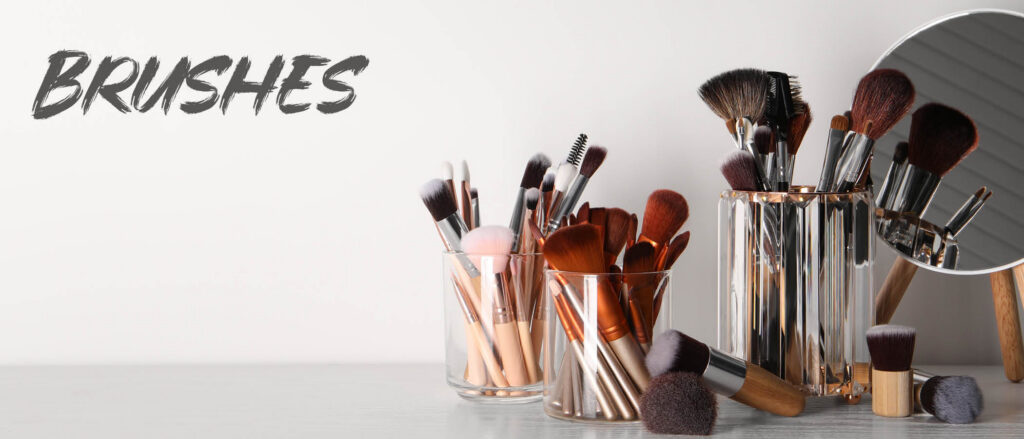
Many conversations began with a look at some unconventional brush options that artists have adapted for studio use. Pinstriping brushes, originally designed for automotive detailing and lettering, have become favorites for creating exceptionally fine lines and delicate mark-making. Several members recommended both the Custom Shop SS Scroll/Script Writer Pinstriping Brush and various high-performance pinstriping brush sets.
Equally surprising was the popularity of makeup brushes. The soft synthetic fibers found in cosmetic brushes can be remarkably effective for blending and subtle surface manipulation. Members highlighted the Real Techniques 5 Piece Everyday Essentials set and the Real Techniques Duo-Fiber Collection as versatile and affordable studio additions.
For artists seeking even greater precision, the pin vise, a tool more commonly found in jewelry and model-making workshops, was discussed as an effective stylus holder for detailed work.
Brush Care and Drying Systems
Brush maintenance generated substantial interest. Various brush-drying systems were shared, ranging from open-air racks to enclosed dust-protected organizers and cosmetic storage systems adapted for studio use.
One particularly useful recommendation was the silicone makeup brush cleaner and agitator. Available in sink mats, handheld versions, buckets, and even electric models, these inexpensive tools can significantly improve the effectiveness of brush cleaning while extending brush life.
Wall-Mounted Easels and Space-Saving Solutions
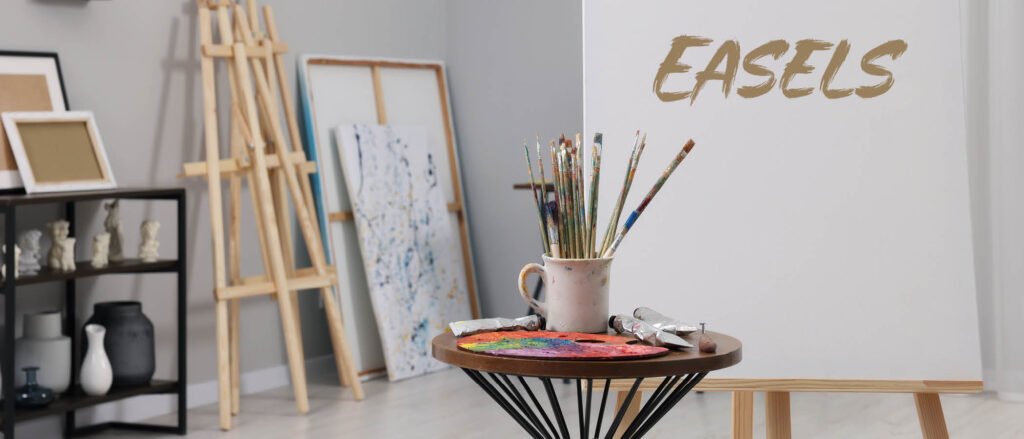
Studio space is often at a premium, prompting a discussion about wall-mounted easels. Several noteworthy options were mentioned, including Robert Lang’s innovative “Steasel,” a system that uses magnets attached to the back of a painting, allowing it to mount securely to a wall-based support structure.
Other recommended wall-mounted systems included the Studio Easel by Artristic, the Richeson Wallmount Easel, the Rue Wall Easel (Mahogany & Brass), and various commercial wall-mounted painting easels. These systems offer artists greater flexibility while maximizing available floor space.
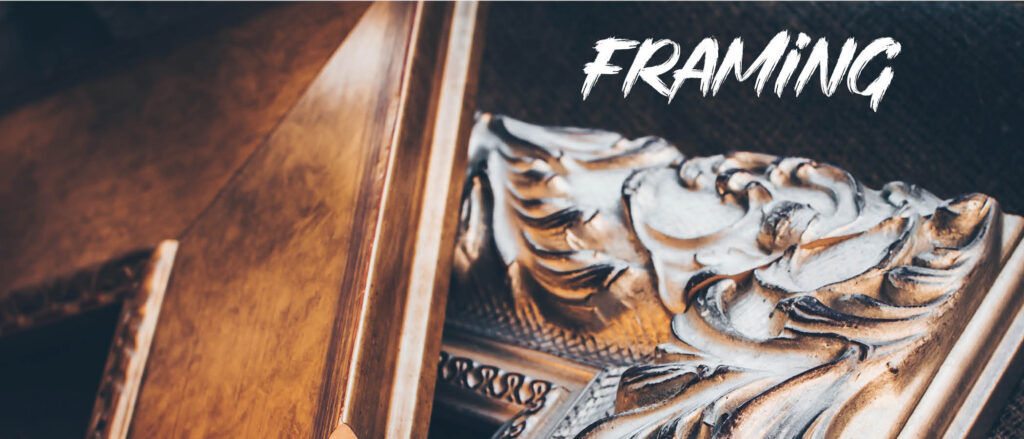
Framing generated another productive exchange. Anthony Waichulis mentioned Web Picture Frames as one of his preferred online framing resources. Other resources discussed: Picture Frames and Frame Bridge.
The discussion covered several useful framing tools that often remain unfamiliar to artists until they begin handling their own presentation and exhibition preparation. These included point drivers for securing artwork within frames, offset clips for mounting and fitting, and rabbet liners that help protect artwork from direct contact with frame components.
Members also shared a helpful framing glossary, including terms related to frame fitting and the final assembly process.
Photographing Artwork
Proper documentation is essential for exhibitions, competitions, portfolios, and online promotion. Studio Light Boxes that were mentioned: the NEEWER Photo Studio Light Box is an effective solution for photographing smaller artworks and objects under controlled lighting conditions. Another larger light box is the Photo Studio Light Box for Photography: Takerers 32×32 Inch 210 LED Large Lightbox.
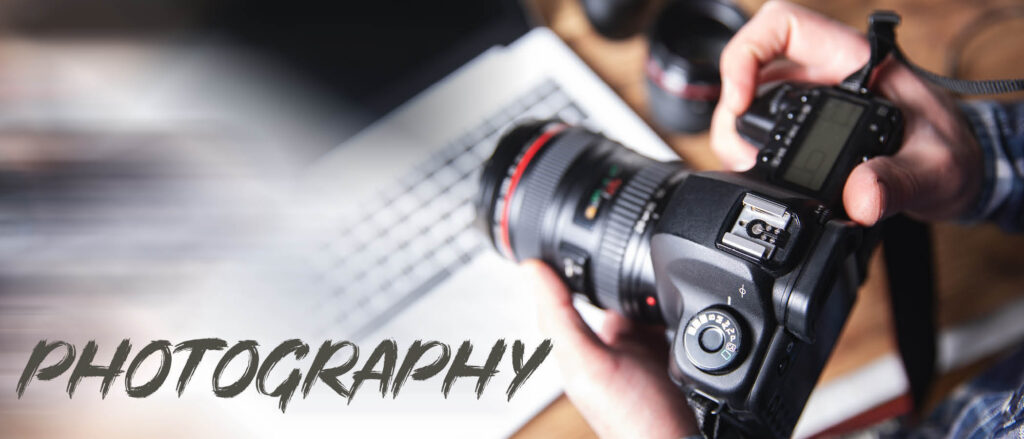
When it comes to cameras, artists have more options than ever before. While modern smartphones can produce impressive results, dedicated cameras generally offer greater control over color accuracy, distortion, and image resolution. Popular choices among artists include:
- Canon EOS R50 – A lightweight mirrorless camera that offers excellent image quality and color reproduction at an affordable price.
- Canon EOS R8 – A full-frame mirrorless camera capable of capturing highly detailed artwork with exceptional dynamic range.
- Sony Alpha a6400 – A compact mirrorless option known for sharp image quality and reliable autofocus.
- Nikon Z5 – A full-frame camera that provides excellent color accuracy and detail for artwork reproduction.
- Canon Rebel T8i (EOS 850D) – A dependable DSLR option that remains popular among artists and photographers looking for a straightforward workflow.
Regardless of the camera used, successful artwork photography depends more on consistent lighting, proper camera positioning, accurate white balance, and careful post-processing than on the camera itself. Even a modest camera setup can produce professional-quality results when these fundamentals are observed.
Lighting Matters
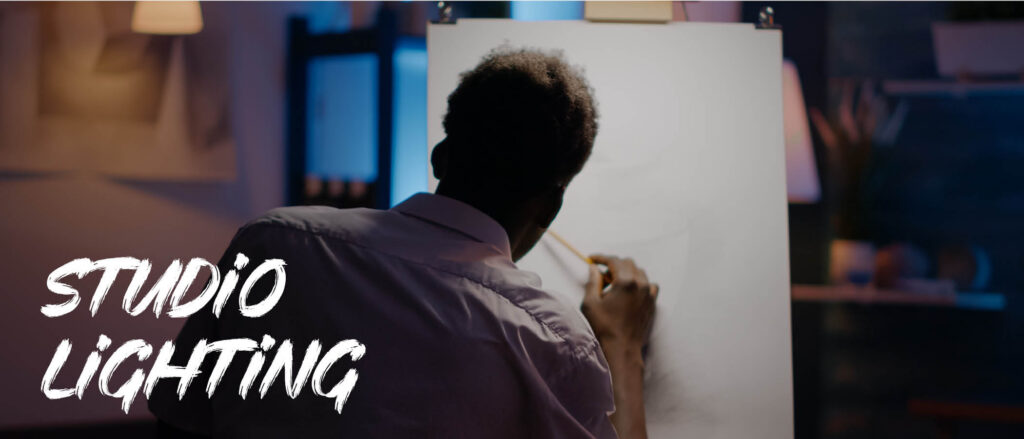
Lighting remains one of the most critical and often overlooked elements of a successful studio environment. The quality of light directly affects an artist’s ability to judge value relationships, color temperature, saturation, and edge quality. Even the most carefully mixed palette can appear inaccurate under poor lighting conditions.
During the discussions, members revisited topics such as light spectra, prisms, and the impact that different bulbs can have on color perception. At ÀNI Waichulis, apprentices commonly use CREE 60W Equivalent 2700K A19 LED bulbs at their easels. These bulbs provide a warm, consistent light source that has proven reliable for the program’s training methods. Smartermarx discussion, Easel and Palette Lights, remains an excellent resource for artists seeking a deeper understanding of studio illumination and color perception.
While individual preferences vary, several lighting options are commonly used by professional artists:
Traditional LED Bulbs
Standard LED bulbs remain one of the most affordable and accessible solutions for studio lighting. When selecting bulbs, artists often pay attention to:
- Color Temperature (measured in Kelvin)
- 2700K–3000K: Warm light
- 4000K–5000K: Neutral daylight
- 5000K–6500K: Cool daylight
- Color Rendering Index (CRI)
- A CRI of 90 or higher is generally recommended for accurate color evaluation.
Popular options include:
Adjustable LED Studio Panels
Many artists are now incorporating photography and video lighting into their studios. Adjustable LED panels allow users to control both brightness and color temperature, making them useful for painting, drawing, and documenting artwork.
Popular manufacturers include:
These lights are particularly helpful when artists need consistent illumination regardless of changing weather or time of day.
Daylight Lamps
Daylight lamps are specifically designed to simulate natural daylight and are frequently used in studios, classrooms, and conservation settings.
Common brands include:
These lamps are often used as task lighting for drawing tables, palette stations, or detailed finishing work.
Track Lighting Systems
For larger studios, track lighting offers flexibility by allowing multiple fixtures to be positioned exactly where light is needed. Artists can adjust individual light heads to illuminate paintings, sculptures, work surfaces, or critique walls.
Track systems are especially useful in studios where artwork sizes vary significantly.
High-Bay and Shop Lights
Artists working in large studio spaces or converted garages often rely on commercial LED shop lights or high-bay fixtures. These lights provide broad, even illumination and are generally more energy-efficient than older fluorescent systems.
Many modern shop lights now offer:
Natural Light
For centuries, artists relied primarily on north-facing windows and skylights. Natural light remains an excellent option when available, particularly for observational painting.
However, natural light changes throughout the day and across seasons, introducing shifts in color temperature and intensity. For this reason, many contemporary artists supplement natural light with artificial lighting systems to maintain consistency.
Building a Consistent Studio Environment
Regardless of the lighting equipment selected, consistency is often more important than brightness alone. Many professional artists strive to create a controlled lighting environment where:
- The easel and palette receive the same type of illumination.
- Light sources remain fixed in position.
- Ambient room lighting does not contaminate color judgments.
- Artwork can be evaluated under conditions similar to those found in galleries and exhibitions.
As with brushes, paints, and supports, there is no single “perfect” lighting solution. The best system is one that allows the artist to reliably see and evaluate their work while minimizing unwanted color shifts and visual fatigue. A thoughtful lighting setup can dramatically improve both the painting process and the final presentation of the artwork.
